
What Is Root Canal Therapy?
Root canal therapy treats infection or inflammation inside a tooth by removing the damaged pulp tissue, cleaning and disinfecting the interior, and sealing it to prevent reinfection. Local anesthesia is used to manage discomfort during the procedure. The goal is to save your natural tooth and address the source of pain.
At West Chester Family Dentistry, we use rotary instruments and digital imaging during root canal treatment. Our goal is to treat the infection, preserve your natural tooth, and give you clear aftercare instructions for recovery.
- Saves your natural tooth from extraction
- Relieves pain caused by infection or inflammation
- Modern techniques make the procedure comfortable
- Preserves your natural bite and appearance
- High success rate — over 95 percent
- Usually completed in a single visit
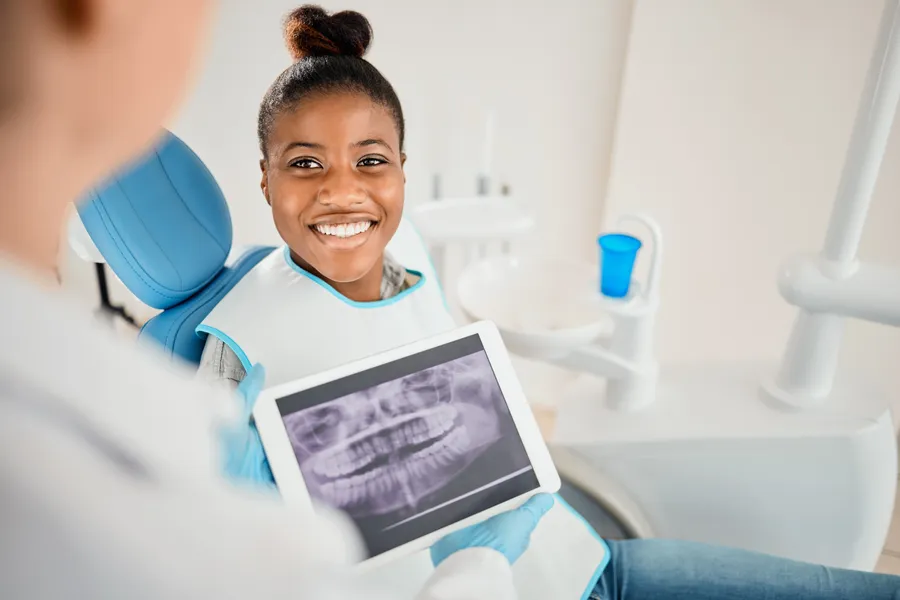
The Root Canal Process
Root canal therapy at our office is a straightforward, comfortable procedure:
- Your dentist numbs the tooth and surrounding area with local anesthesia. Sedation is available for anxious patients.
- A small opening is made in the tooth to access the infected pulp tissue inside.
- The infected tissue is removed, and the interior of the tooth is carefully cleaned and disinfected.
- The tooth is sealed with a biocompatible filling material, and a crown is placed to protect and restore it.
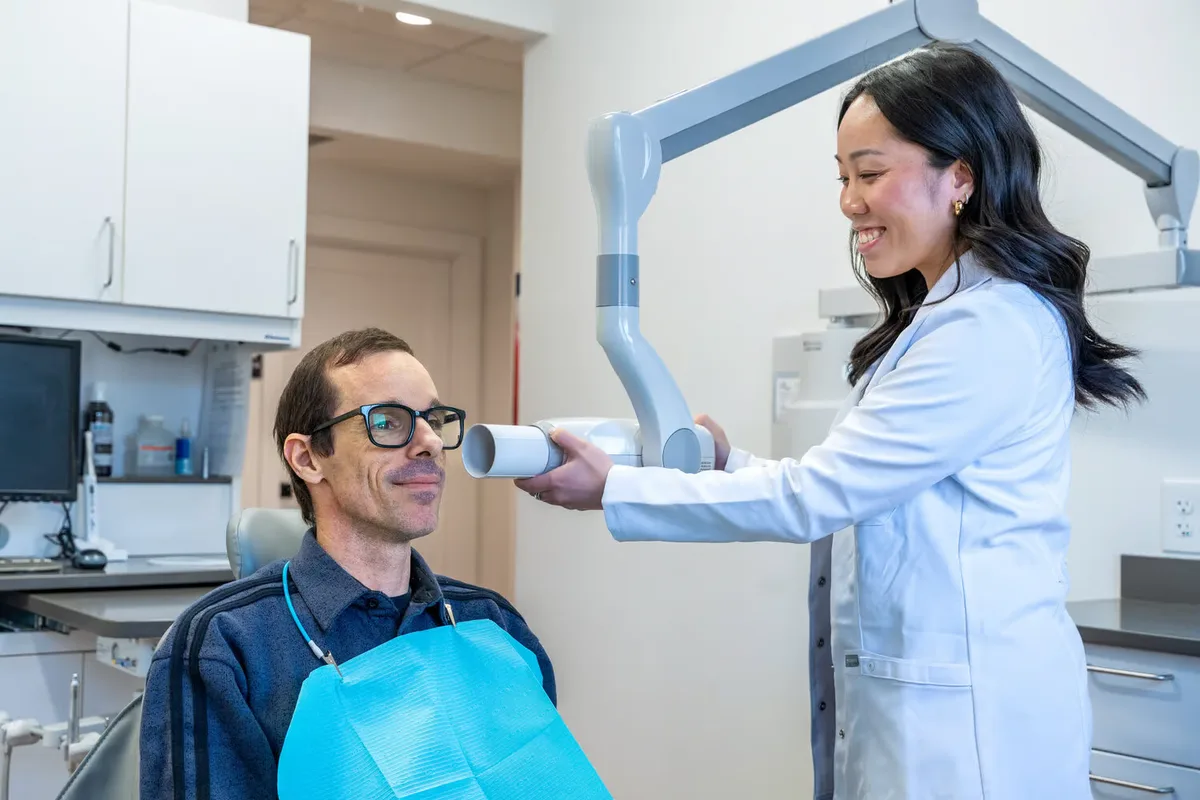
Benefits of Saving Your Natural Tooth
Your natural teeth are designed to last a lifetime, and saving a tooth with root canal therapy has several advantages over extraction. Natural teeth provide the best chewing efficiency, maintain the jawbone, keep neighboring teeth in proper alignment, and eliminate the need for a replacement like an implant or bridge.
While modern tooth replacement options like implants are excellent, nothing performs quite like a healthy natural tooth. Root canal therapy, followed by a protective crown, gives your treated tooth the best chance of serving you well for many years to come.

Comfortable Root Canal Treatment
We offer several comfort measures to ensure a positive experience:
Local Anesthesia
The tooth and surrounding area are fully numbed before treatment begins.
Nitrous Oxide
Mild sedation to help you relax while remaining fully aware.
Oral Sedation
Deeper relaxation for patients with dental anxiety or complex procedures.
Root Canal Cost and Coverage
The cost of root canal therapy depends on the tooth being treated (front teeth are typically less than molars) and whether a crown is needed afterward. Most dental insurance plans provide good coverage for root canals as they are considered a necessary restorative procedure.
Our team will verify your benefits and explain your expected costs before treatment. We also offer financing options. Call 513-755-2118 to schedule your appointment at West Chester Family Dentistry.

Frequently Asked Questions About Root Canal Therapy
Modern root canal treatment is performed with local anesthesia and is generally no more uncomfortable than getting a filling. Most patients feel relief from pain after the procedure because the infection causing the pain has been removed.
In most cases, a crown is recommended after root canal therapy to protect and strengthen the treated tooth. A tooth that has had a root canal can become more brittle over time, and a crown provides the support it needs.
Most root canals are completed in one visit lasting about 60 to 90 minutes. Complex cases involving molars or multiple canals may take slightly longer or require a second appointment.
Common signs include severe tooth pain (especially when chewing or applying pressure), prolonged sensitivity to hot or cold, darkening of the tooth, swelling or tenderness in the gums near the tooth, and a persistent pimple on the gums.
Without treatment, the infection can spread to surrounding bone and tissue, potentially leading to an abscess, bone loss, and the eventual loss of the tooth. In rare cases, untreated dental infections can affect your overall health.
Saving your natural tooth with a root canal is almost always preferred when possible. Natural teeth provide better chewing function and maintain jawbone health. Extraction should be considered only when a tooth cannot be saved.