
What Are Dental Sealants?
Dental sealants are thin, protective coatings painted onto the chewing surfaces of back teeth, the molars and premolars where most cavities form. The liquid sealant flows into the deep grooves and pits that are difficult to clean with a toothbrush, then hardens to create a smooth barrier that keeps out bacteria and food particles.
The CDC reports on sealants show that dental sealants can reduce the risk of cavities in treated teeth, and that children without sealants have higher rates of first-molar cavities than those with sealants. Talk to your dentist about whether sealants are appropriate for your child.
At West Chester Family Dentistry in West Chester, OH, we recommend sealants as part of a comprehensive preventive care plan. The application is brief and non-invasive, and helps reduce the likelihood of future fillings.
- Prevents up to 80% of molar cavities
- Quick, painless application with no drilling
- Long-lasting protection for several years
- Recommended by the ADA and CDC
- Safe for children and adults
- Cost-effective cavity prevention
How Dental Sealants Are Applied
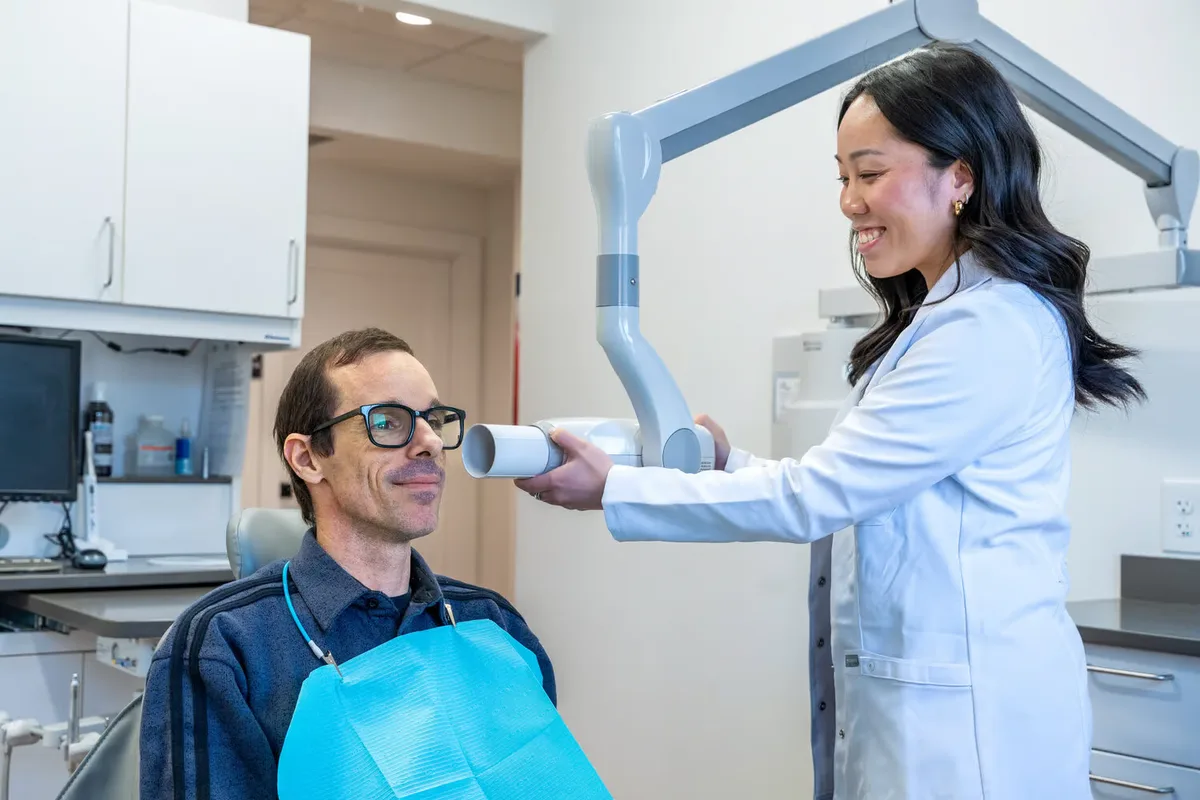
Applying dental sealants is one of the simplest preventive treatments we offer. The entire process takes just a few minutes per tooth and requires no anesthesia, drilling, or discomfort. Here is what to expect during your appointment:
- We clean and dry each tooth that will receive a sealant.
- A mild etching solution is applied to roughen the surface so the sealant bonds properly.
- The tooth is rinsed and dried again.
- The liquid sealant is painted into the grooves and hardened with a curing light in seconds.
Who Benefits from Dental Sealants?
Sealants are most commonly associated with children, but they can be a smart choice at any age. The key factor is whether the chewing surfaces of your back teeth have deep grooves that trap bacteria, and whether those teeth are free of existing fillings or decay.
Children benefit most when sealants are applied soon after their permanent molars erupt. First molars typically appear around age 6 and second molars around age 12. Sealing these teeth early protects them during the years when cavity risk is highest and brushing habits are still developing.
Adults with cavity-prone teeth, deep grooves on their molars, or a history of decay on chewing surfaces may also benefit. If you are unsure whether sealants are right for you or your child, our team can evaluate your teeth during a routine cleaning and exam and make a recommendation.

Sealants Compared to Other Preventive Options
Sealants work alongside other preventive measures to give your teeth the best protection possible:
Dental Sealants
Physical barrier on chewing surfaces that blocks bacteria from entering deep grooves.
Fluoride Treatments
Strengthens enamel on all surfaces of the tooth but does not fill deep pits and fissures.
Daily Brushing
Removes plaque from smooth surfaces but bristles cannot reach the deepest grooves on molars.
Affordable Protection for Your Family
Dental sealants are one of the most cost-effective preventive treatments available. Each sealed tooth can save more than $11 in future dental treatment costs, according to the CDC, and sealants are a fraction of the cost of filling a cavity.
Most dental insurance plans cover sealants for children up to age 14 or 16, and some plans extend coverage to adults. Our front office team will verify your benefits before your appointment so you know exactly what to expect. For patients without insurance, we offer transparent pricing and can discuss payment options.
Call us at 513-755-2118 to schedule a sealant appointment or to ask about your coverage.

Frequently Asked Questions About Dental Sealants
Sealants are typically recommended when permanent molars come in, around age 6 for first molars and age 12 for second molars. Applying sealants early gives your child the best protection during the most cavity-prone years.
With proper care, sealants can protect teeth for up to five years or longer. We check your sealants at every visit and can reapply them if they show signs of wear.
Yes. Adults with cavity-prone back teeth or deep grooves that are difficult to clean can benefit from sealants, especially if they have no existing fillings or decay on those teeth.
Not at all. The process is completely painless with no drilling or needles. We simply clean the tooth, apply the sealant liquid, and harden it with a curing light. Most children tolerate it very easily.
Many dental insurance plans cover sealants for children under a certain age, often up to age 14 or 16. Our front office team can check your specific coverage before your appointment.
No. Sealants protect the chewing surfaces of back teeth, but daily brushing and flossing are still essential to protect the sides of teeth, gum tissue, and all other surfaces that sealants do not cover.