
Wisdom Teeth Removal: Protecting Your Oral Health
Wisdom teeth — the third set of molars that typically emerge in the late teens or early twenties — often lack the space to erupt properly. Impacted or partially erupted wisdom teeth can cause pain, infection, crowding, and damage to adjacent teeth. Removal is a common, straightforward procedure that prevents these complications and protects your long-term oral health.
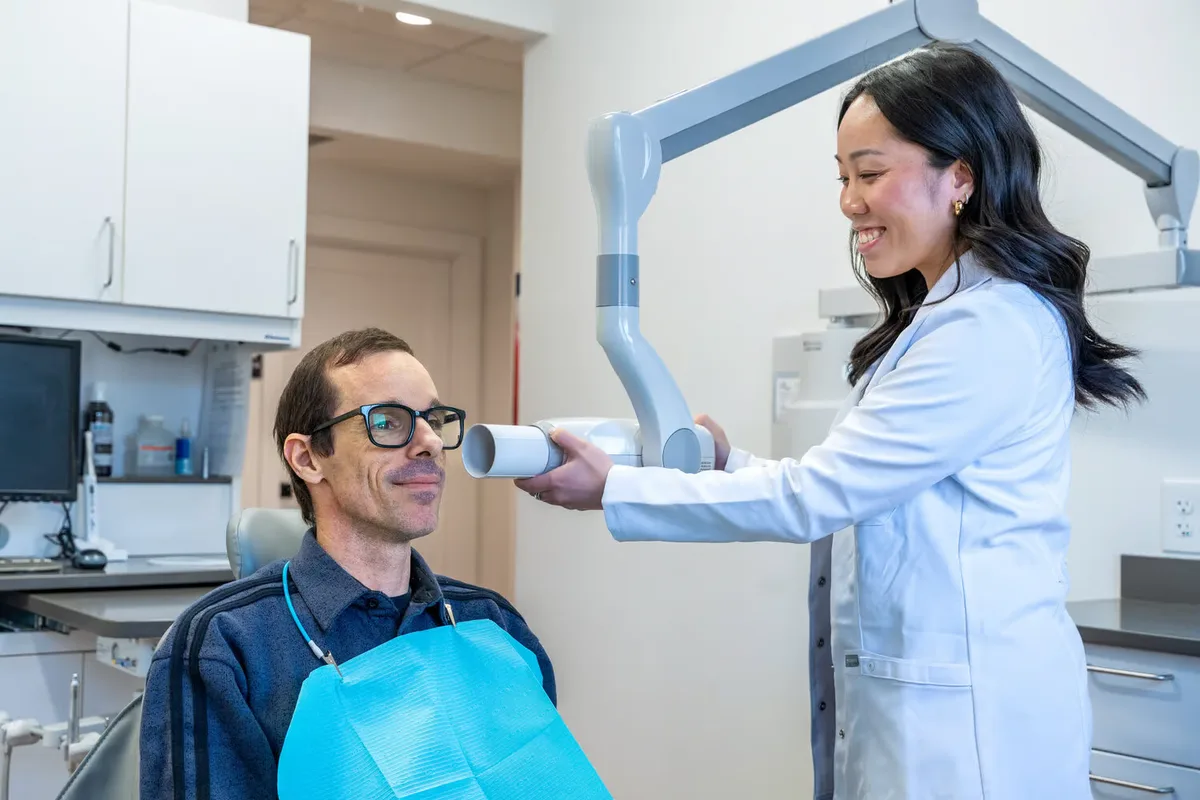
At West Chester Family Dentistry, we use advanced imaging to evaluate your wisdom teeth and plan a safe, efficient extraction. Our team provides sedation options and detailed aftercare instructions to make your experience as comfortable as possible.
- Prevents crowding, infection, and damage to adjacent teeth
- Sedation options for a comfortable experience
- Experienced surgical team
- Clear post-operative instructions for smooth recovery
- Advanced imaging for precise evaluation
- Same-day consultations available

What to Expect During Wisdom Teeth Removal
The wisdom teeth removal process is carefully planned for your safety and comfort:
- Evaluation with panoramic X-rays or 3D imaging to assess the position and condition of your wisdom teeth.
- Anesthesia and sedation are administered based on your comfort needs and the complexity of the extraction.
- The wisdom teeth are carefully removed with minimal impact to surrounding tissue.
- Post-operative instructions are provided, and a follow-up visit is scheduled to monitor healing.
Risks of Keeping Impacted Wisdom Teeth
Even when impacted wisdom teeth are not causing pain, they can still create problems beneath the surface. Impacted teeth can develop cysts that damage the jawbone, cause infections in the surrounding gum tissue, push adjacent teeth out of alignment, and create areas that are difficult to clean, increasing your risk of decay and gum disease.
Early evaluation and proactive removal, when recommended, is the most effective way to prevent these complications. Your dentist will monitor your wisdom teeth with periodic imaging and recommend removal at the optimal time.
Sedation for Wisdom Teeth Removal
We offer multiple sedation levels to match your comfort needs:
Local Anesthesia
Numbs the area completely so you feel no pain during the procedure.
Nitrous Oxide
Mild sedation that helps you relax while remaining fully awake and aware.
Oral Sedation
Deeper relaxation with a prescribed sedative taken before your appointment.
Aftercare and Recovery Tips
Recovery from wisdom teeth removal typically takes three to five days. During this time, follow your dentist's aftercare instructions carefully: use ice packs to manage swelling, take prescribed medications as directed, eat soft foods, and avoid using straws or smoking, which can dislodge the blood clot and delay healing.
Most patients are back to normal activities within a week. If you experience persistent pain, swelling, or fever after the first few days, contact our office right away. Call 513-755-2118 to schedule your wisdom teeth evaluation.

Frequently Asked Questions About Wisdom Teeth Removal
Wisdom teeth are typically evaluated in the mid-teens to early twenties. Removal is often easier and recovery faster when performed at a younger age, but the procedure can be done at any age if the teeth are causing problems.
Most patients recover within three to five days. Swelling and mild discomfort are normal for the first few days and can be managed with prescribed or over-the-counter pain medication and ice packs.
Not always. If your wisdom teeth have fully erupted, are properly aligned, and are not causing problems, they may not need removal. Your dentist will evaluate your specific situation with X-rays and recommend the best course of action.
That depends on your preference and the complexity of the extraction. We offer local anesthesia, nitrous oxide, and oral sedation to ensure your comfort. Your dentist will recommend the best option for your case.
Stick to soft foods like yogurt, applesauce, mashed potatoes, smoothies, and soup for the first few days. Avoid hot, spicy, crunchy, or chewy foods until your dentist clears you to return to your normal diet.
Common signs include jaw pain or stiffness, swollen or tender gums near the back of the mouth, difficulty opening your mouth fully, crowding of nearby teeth, and recurring infections in the gum tissue around a partially erupted tooth.